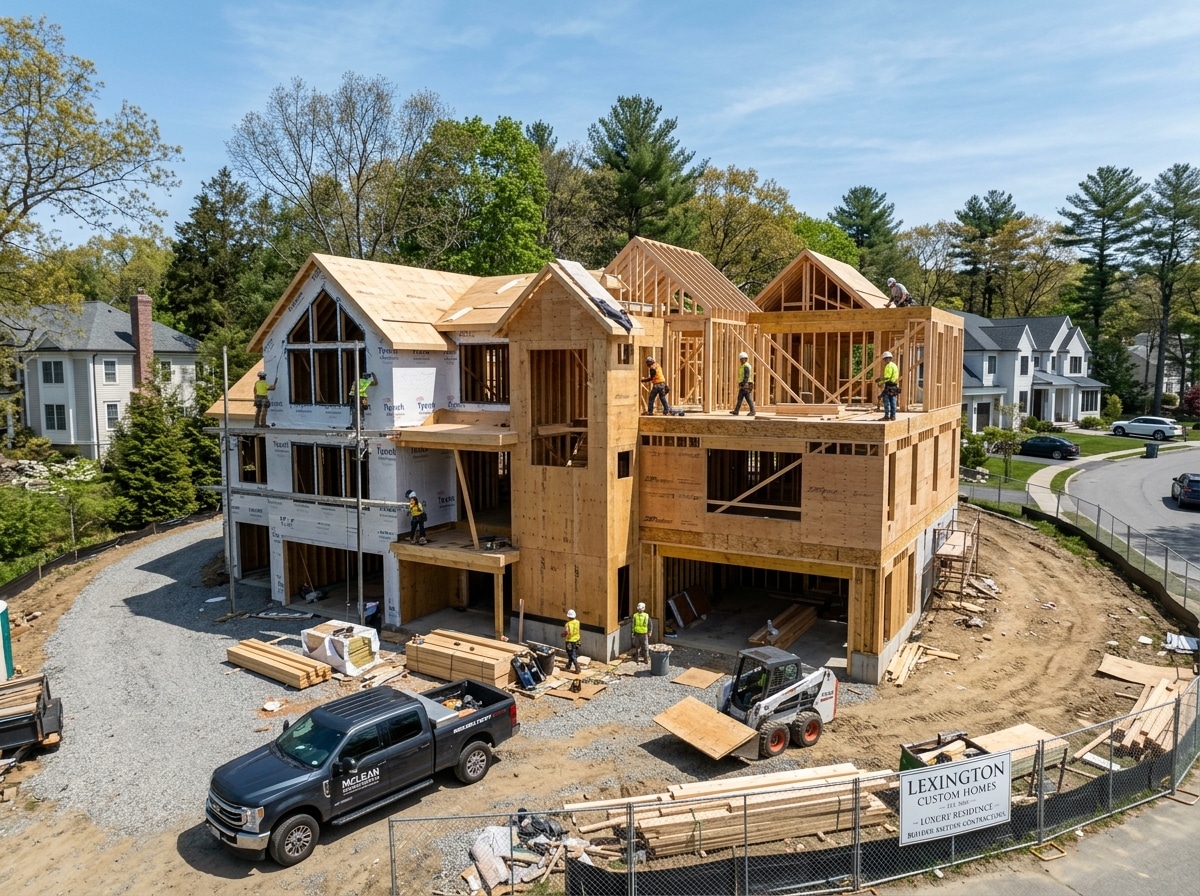
Why New Home Construction Is One of the Biggest Decisions You’ll Ever Make
New home construction is the process of building a brand-new home from the ground up — from the first design sketch to the day you get your keys.
Here’s a quick snapshot of what it involves:
- Planning and design – floor plans, budgets, and material choices
- Permitting and site prep – meeting local zoning rules and preparing your land
- Foundation and framing – the structural bones of your home
- Mechanical systems and finishes – plumbing, electrical, insulation, cabinetry, and flooring
- Final walkthrough and move-in – inspections and punch-list items before closing
Most new home builds take 12 to 18 months from start to finish, depending on design complexity, permitting, and local conditions.
For homeowners in towns like Billerica, Burlington, Andover, or anywhere across Middlesex County, building new means getting exactly what you want — the right layout, the right materials, and a home built to today’s codes and standards. But it also means navigating a process that has a lot of moving parts.
The good news? When you work with the right local builder, it doesn’t have to be overwhelming.
Right now, the U.S. housing market is seeing real momentum. According to the U.S. Census Bureau, housing starts hit 1,487,000 units (seasonally adjusted annual rate) in January 2026 — up 7.2% from December 2025. Closer to home, the Greater Boston area and Middlesex County remain tight on inventory, making new construction an increasingly attractive option for families who can’t find what they need on the resale market.
This guide walks you through everything — market trends, the construction process, modern home features, and what to look for in a local builder.
Current Trends in the New Home Construction Market
The landscape for New Home Construction is constantly evolving, influenced by economic shifts, interest rates, and buyer preferences. As we move into 2026, the national data suggests a resilient market, even as builders navigate fluctuating permit rates and a significant backlog of projects.
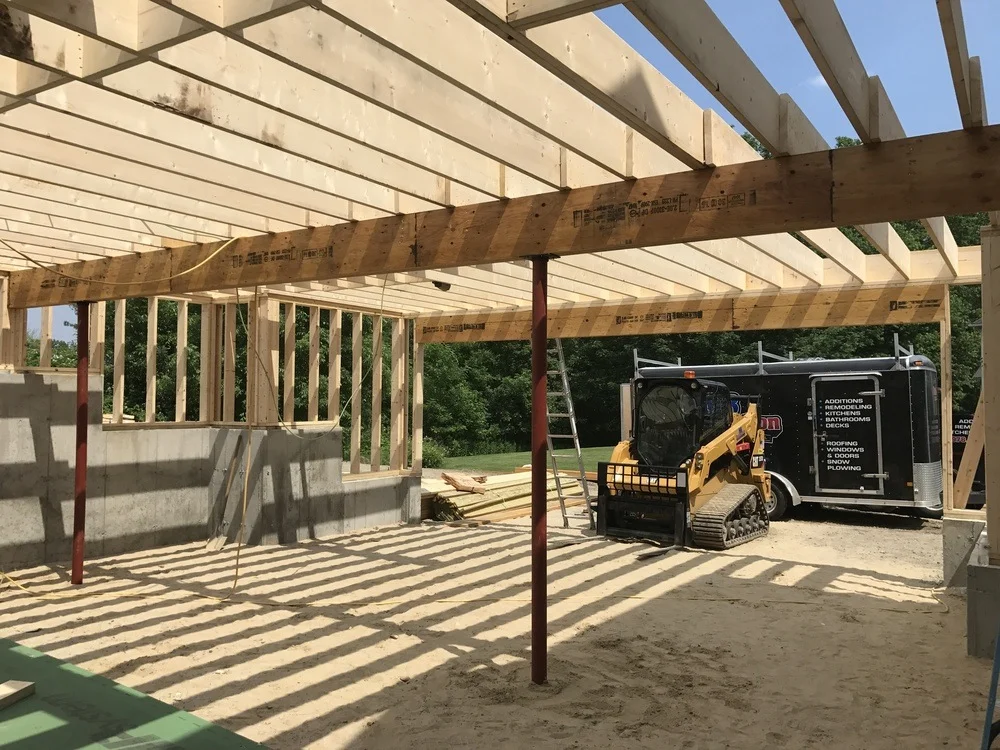
National Housing Statistics for 2026
According to the latest New Residential Construction Statistics, the industry started the year with a bang. In January 2026, housing completions reached a seasonally adjusted annual rate (SAAR) of 1,527,000, a 4.8% increase from the previous month. This surge in completions is a positive sign for buyers who have been waiting for inventory to hit the market.
However, building permits—the leading indicator of future activity—saw a slight dip to 1,376,000 units, down 5.4% from December 2025. This suggests that while builders are working hard to finish existing projects, they are being slightly more cautious about breaking new ground. For single-family homes specifically, authorizations stood at 873,000, reflecting a steady demand for detached residences.
Nationally, the New-Construction Market Insights indicate that builders are increasingly using price reductions and incentives to move inventory. In late 2025 and early 2026, about 19.3% of new-construction listings saw price cuts, compared to 18% for resale homes. This “builder motivation” is a key economic indicator, showing that developers are eager to clear their books, often providing better value for buyers than the stubborn resale market.
Market Dynamics in Greater Boston and Middlesex County
While national stats provide the big picture, real estate is fundamentally local. In our neck of the woods—Greater Boston and Middlesex County—the story is often one of scarcity. In towns like Andover, Burlington, and Lexington, land is a premium commodity.
Unlike the sprawling developments found in the South or West, New Home Construction in Eastern Massachusetts often involves “in-fill” projects—building on individual lots or small subdivisions. This leads to a higher concentration of luxury custom builds. Because inventory is so tight in Billerica and Bedford, many families are choosing to build new rather than engage in the “bidding wars” typical of the existing home market.
Local zoning laws in Middlesex County are notoriously complex. Whether you are looking at Carlisle or North Reading, navigating setbacks, environmental regulations, and historical commissions requires a builder who knows the local town halls inside and out.
The Step-by-Step Process of New Home Construction
Building a home is like conducting a symphony; every “instrument” (or subcontractor) has to play their part at the exact right moment. If the plumber shows up before the framing is done, you’ve got a problem. If the flooring arrives before the windows are in, you’ve got a ruined floor.
We believe in a seamless, end-to-end process. You can learn more about our new home construction services to see how we manage these moving parts.
Initial Phase: Planning and Design
Everything starts with a dream and a piece of paper (or a digital CAD file). This phase typically takes 3 to 6 months. You’ll work with architects to finalize blueprints that balance your “must-haves” with your budget.
One of the most important steps here is asking the right questions. We recommend reviewing these 10 Questions to Ask Before Hiring a Custom Home Builder Near Me to ensure you are aligned with your contractor’s philosophy and experience.
During this phase, you will:
- Finalize the Floor Plan: Will it be an open-concept “entertainer’s dream” or a traditional layout with dedicated spaces?
- Set the Budget: This includes a “contingency fund” (usually 10-15%) for those “while we’re at it” moments or unforeseen site conditions.
- Material Selection: Choosing everything from the type of siding to the grade of hardwood.
| Feature | Custom Build | Production Home |
|---|---|---|
| Timeline | 12–18 Months | 6–10 Months |
| Design Flexibility | Unlimited | Limited to Pre-set Options |
| Cost Control | Variable based on choices | Fixed based on model |
| Lot Selection | Your choice of land | Builder-owned lots |
Construction and Interior Finishes
Once the permits are in hand—a process that can take 1–2 months in towns like Chelmsford or Tewksbury—the physical work begins.
- Site Prep and Foundation: Clearing the land and pouring the concrete. This is the “dirty” phase where the house finally takes a physical shape.
- Framing: The “skeleton” of the house goes up. This is usually the most exciting part for homeowners to watch.
- Rough-ins: Plumbing, electrical, and HVAC systems are installed inside the walls.
- Finishes: This is where the house becomes a home. Drywall, paint, cabinetry, and flooring.
Quality assurance is vital here. We perform milestone inspections to ensure every joint is tight and every wire is correctly placed. You can view our project gallery to see the level of detail we bring to our interior finishes in local homes.
Innovative Features in Modern New Homes
The homes we are building today in Greater Boston are lightyears ahead of those built even twenty years ago. Modern New Home Construction focuses on three pillars: technology, health, and future-proofing.
Smart Home Automation and Future-Proofing
We aren’t just talking about a smart thermostat. Modern homes are being “hardwired” for the future.
- EV Charging: A 220-volt plug in the garage is no longer an “upgrade”—it’s a necessity for the modern Massachusetts driver.
- CAT6 Ethernet: While Wi-Fi is great, hardwired connections in home offices ensure the stability needed for high-stakes Zoom calls.
- Smart Door Delivery Centers: Secure, climate-controlled spaces for package deliveries are becoming a staple in new designs.
Many homeowners are also opting for “messy kitchens”—essentially an expanded, walk-in pantry with a sink and extra counter space. This keeps the main kitchen (the “show” kitchen) clean while the heavy prep work happens behind the scenes. If you’re interested in how these designs translate to older homes, check out our kitchen remodeling insights.
Energy Efficiency and Sustainability
In a climate like ours, energy efficiency isn’t just about being “green”—it’s about staying warm without breaking the bank.
- Whole-Home Air Filtration: Modern systems can scrub the air of allergens and pollutants, a feature that became a top priority post-pandemic.
- Low VOC Paints: These reduce the “new house smell” (which is actually chemicals off-gassing) to ensure a healthier indoor environment.
- Moisture Wrap and Insulation: High-performance moisture wraps protect the structure from our humid summers and snowy winters.
Functional Design for Contemporary Lifestyles
The way we use our homes has changed. We are seeing a massive trend toward “flex rooms” and “pocket gyms.” A pocket gym is a dedicated, smaller space specifically designed for a Peloton or yoga mats, keeping the equipment out of the primary bedroom.
With more people working from home in Middlesex County, dedicated, sound-proofed offices are a top request. Sometimes, these are built as home additions later, but incorporating them into the original New Home Construction plan is the most cost-effective way to get it right.
Frequently Asked Questions About New Home Construction
How long does the new home construction process take?
On average, you should expect the journey to take 12 to 18 months. In Massachusetts, weather is the biggest “wild card.” A particularly brutal winter can delay foundation pours or exterior siding. Additionally, permitting in towns like Wilmington or Reading can vary based on the town’s meeting schedules.
Typical Timeline Breakdown:
- Planning & Design: 3–6 months
- Permitting & Site Prep: 1–2 months
- Structural Construction: 4–7 months
- Interior Finishes: 3–4 months
- Final Inspections & Move-in: 1–2 months
What are the benefits of new home construction vs. remodeling?
While we love a good remodeling project, building new offers several distinct advantages:
- Warranty Protection: New homes come with structural warranties that you simply don’t get with a 1950s ranch.
- Modern Standards: Everything is up to the latest fire, electrical, and plumbing codes.
- Energy Savings: A new home is significantly tighter and better insulated than an older home, leading to lower utility bills.
- No Compromises: You don’t have to “work around” an existing load-bearing wall. You put the wall where you want it.
What should I look for in a local builder?
Experience in the specific town is crucial. A builder who has worked extensively in Tewksbury or North Andover will understand the local soil conditions, the preferences of the building inspectors, and the local vendor network.
Look for:
- Licensed and Insured: This is non-negotiable for your protection.
- Expert Craftsmen: Ask about the tenure of their subcontractors.
- Guaranteed Workmanship: A builder should stand behind their work long after the final check is cut.
Conclusion
Building a new home is a marathon, not a sprint. It requires patience, a clear vision, and a partnership with a builder who values quality as much as you do. Whether you are looking to build a luxury estate in Andover, a modern family home in Billerica, or a custom retreat in Carlisle, the process remains the same: it’s about building a foundation for your future.
At MB Construction, LLC, we pride ourselves on being a quality-driven, time-sensitive team. We serve the entire Middlesex County and Greater Boston area, bringing premium materials and expert craftsmen to every job site. We understand that your home is likely your largest investment, and we treat it with the respect it deserves, offering guaranteed workmanship from the first shovel in the ground to the final walkthrough.
Ready to start your journey? Request an estimate for your new home construction project today, and let’s build something incredible together.