What Preparing Your Home for Sale Actually Takes (And Why It Matters in 2026)
Preparing your home for sale is one of the highest-leverage things you can do to attract more buyers, sell faster, and walk away with more money in your pocket.
Here is a quick overview of the key steps:
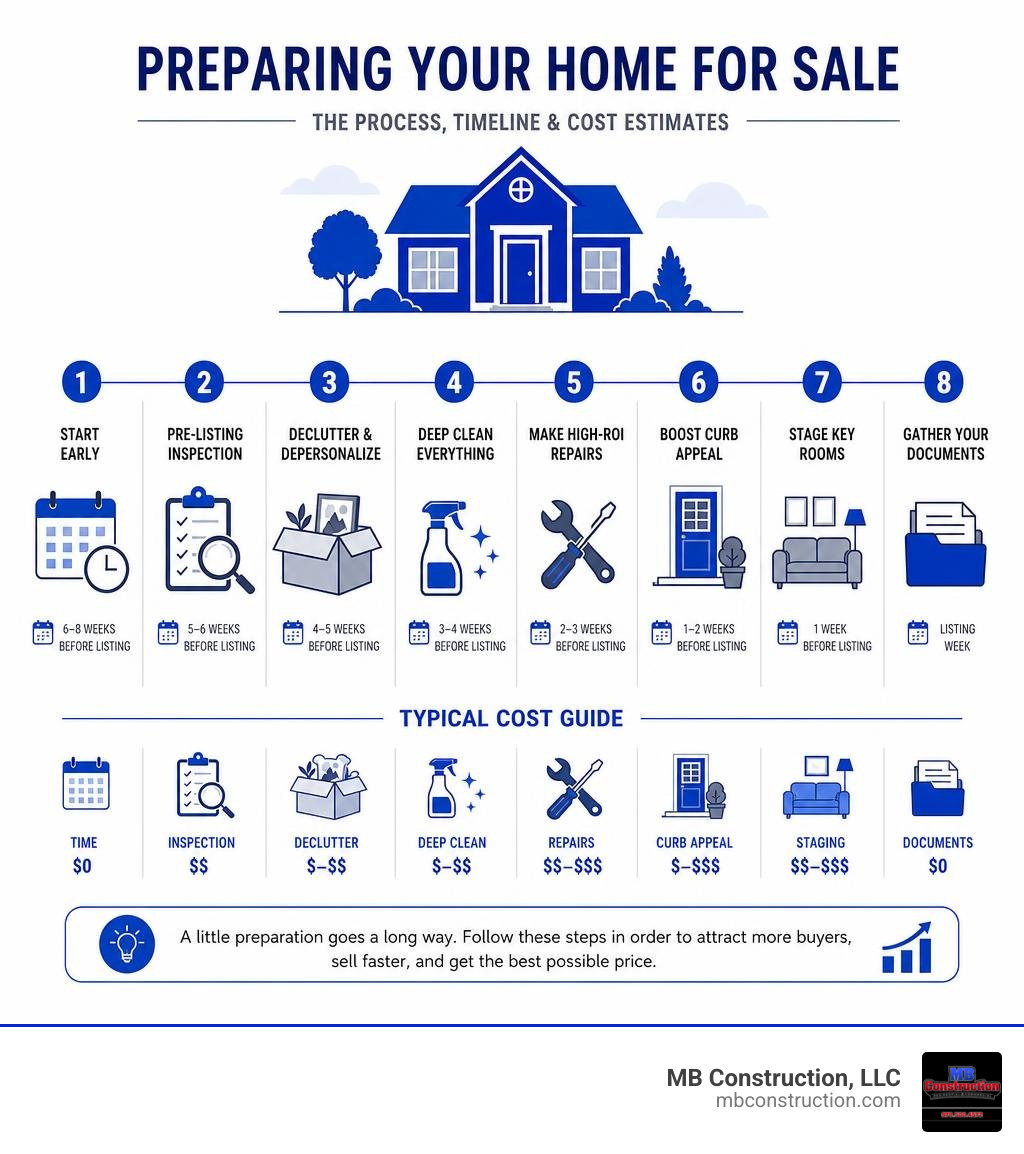
- Start early — Begin 6–8 weeks before your target listing date
- Get a pre-listing inspection — Identify problems before buyers do
- Declutter and depersonalize — Help buyers picture themselves living there
- Deep clean everything — Buyers form impressions in the first 30 seconds
- Make high-ROI repairs — Focus on fixes that pay back more than they cost
- Boost curb appeal — Landscaping and a fresh front door go a long way
- Stage key rooms — Staged homes sell for 1%–5% more on average
- Gather your documents — Warranties, permits, and utility bills speed up closing
The 2026 market in Greater Boston and Middlesex County is competitive. Home prices are still rising, and buyers have high expectations. A home that looks move-in ready will always stand out over one that doesn’t.
The good news? Most of what makes a home sell well is not expensive or complicated. It is mostly about doing the right things in the right order — before the listing goes live.
This guide walks you through exactly that.
The Strategic Timeline for Preparing Your Home for Sale

When it comes to preparing your home for sale, timing is everything. Rushing to get your property on the market usually leads to missed details, added stress, and money left on the table. In fact, real estate data shows that sellers who skip critical preparation steps lose out on thousands of dollars in potential profit.
By mapping out a clear schedule, you can tackle renovations, organizing, and staging at a manageable pace. For a smooth, low-stress transition, we recommend following a structured timeline like the one outlined in this Spring Pre-Listing Prep Guide, which emphasizes getting ahead of the spring and summer market rushes in Massachusetts.
Step-by-Step Order of Operations for Preparing Your Home for Sale
To maximize your efficiency, you should follow a logical sequence. You do not want to deep clean your carpets while contractors are still painting your walls, nor do you want to stage a room that is still piled high with clutter.
We suggest utilizing this 8-week strategic order of operations:
- Weeks 7–8: Planning & Assessment. Walk through your home with a critical eye. Schedule a pre-listing home inspection and hire professionals for any major structural or cosmetic updates. If your home requires more significant layouts to attract modern buyers, this is the time to plan whole house renovations that can dramatically boost your property value.
- Weeks 5–6: Decluttering & Packing. Start sorting through your belongings room by room. A great rule of thumb is to pack away or donate 60% to 70% of your non-essential items. To keep your sanity intact, refer to this detailed room-by-room organization checklist to systematically clear out closets, living areas, and storage spaces.
- Weeks 3–4: Repairs & Major Projects. Complete your minor repairs, paint the interior walls neutral colors, and address any issues flagged during your inspection.
- Weeks 1–2: Deep Cleaning & Staging. Bring in professional cleaners to make the property shine, then arrange your furniture and decor to highlight the home’s best features.
- Listing Week: Photography & Final Touches. Keep the home immaculate, turn on all lights, and have professional photos taken.
The Real Cost of Preparing Your Home for Sale
One of the most common questions homeowners ask us is: How much does it cost to prepare a house for sale? The answer depends heavily on the current condition of your property, but we can look at average costs based on internet data to establish a realistic budget.
When planning your budget, it is important to look at a wide range of prices, as high-end custom preparations can easily cost ten times more than the basic averages:
- Pre-Listing Home Inspection: Typically ranges from $300 to $3,500 depending on the size of your home and the depth of auxiliary testing (such as radon or mold).
- Professional Deep Cleaning: Expect to invest anywhere from $200 for a basic townhome clean to $2,500+ for a comprehensive, top-to-bottom detailing of a large estate.
- Professional Home Staging: Consultation and staging services generally range from $750 for occupied homes to $10,000+ for fully vacant luxury properties requiring complete furniture rentals.
- Interior Painting: DIY supplies might run you $200 to $500, while professional whole-house painting ranges from $2,000 to $25,000 depending on square footage and trim detail.
If you find that your home needs professional updates to compete in towns like Billerica, Burlington, or Lexington, investing in professional remodeling services can help you secure a much higher return on investment (ROI).
Interior Preparation: Decluttering, Cleaning, and Staging
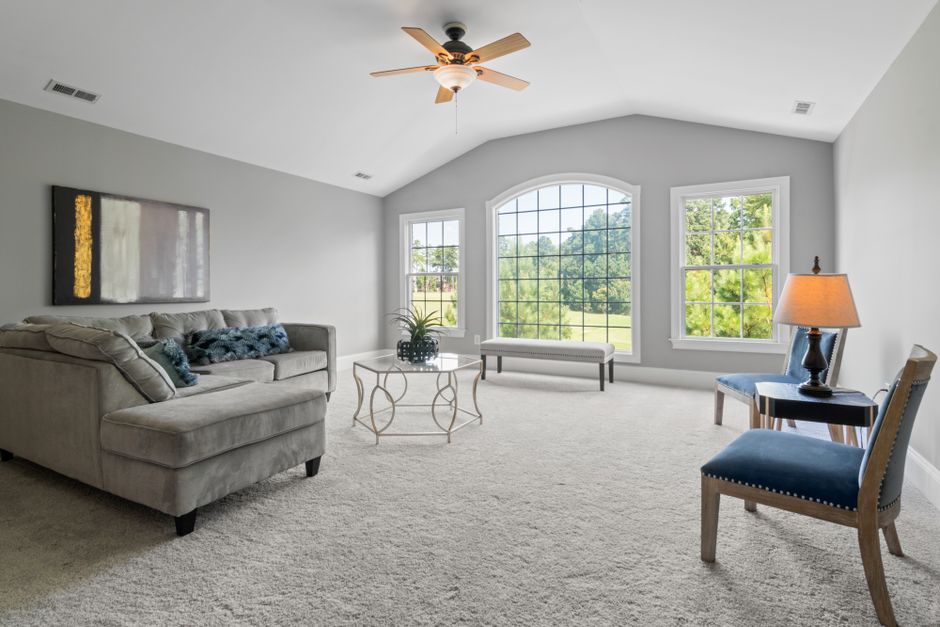
The interior of your home is where buyers will spend the majority of their time during a showing, and their decision-making process starts the moment they step through the door. To make your interior feel spacious, bright, and welcoming, you must focus on three core tasks: decluttering, deep cleaning, and staging.
For the cleaning phase, following a professional pre-listing deep clean checklist ensures you do not miss hidden spots like baseboards, light fixtures, and the inside of appliances. If you are planning a larger renovation before selling, you can design with future buyers in mind by checking out this clean freak’s guide to renovation for low-maintenance, high-appeal materials.
Decluttering and Depersonalizing Your Living Space
Decluttering is not just about organizing; it is about creating visual space. When a buyer opens a closet and sees it packed to the brim, they instantly think, “This house doesn’t have enough storage.” We recommend leaving at least 30% to 40% of your closet rods empty to show off ample storage capacity.
Depersonalizing is equally crucial. You must remove family photos, personalized decor, and highly specific religious or political items. The goal is to turn your home into a beautiful, neutral canvas. This is especially true if you are navigating unique family situations or learning how to sell your home to family without losing your mind or your money, where clear boundaries and a neutral presentation keep the transaction professional and stress-free.
Professional Staging vs. DIY Staging
Is professional staging worth the investment in 2026? The data says yes. Consider these powerful real estate statistics:
- 81% of buyers’ agents say staging and preparation make it easier for a buyer to visualize a property as their future home.
- Staged homes sell for an average of 1% to 5% more than homes that aren’t staged.
- 20% of buyers’ agents reported that staging increased the offered price by 1% to 5%.
- 31% of sellers’ agents noted that staging significantly decreased a home’s time on the market.
While you can certainly take a DIY approach by rearranging your existing furniture, editing out bulky items, and adding neutral textiles, vacant homes almost always require professional staging. Empty rooms look smaller in photographs and make it difficult for buyers to understand the scale and flow of the space. Whether you choose professional staging or DIY, focusing on stunning renovations for most used rooms like the kitchen and primary suite will make your staging efforts shine even brighter.
Exterior Preparation and Curb Appeal Upgrades
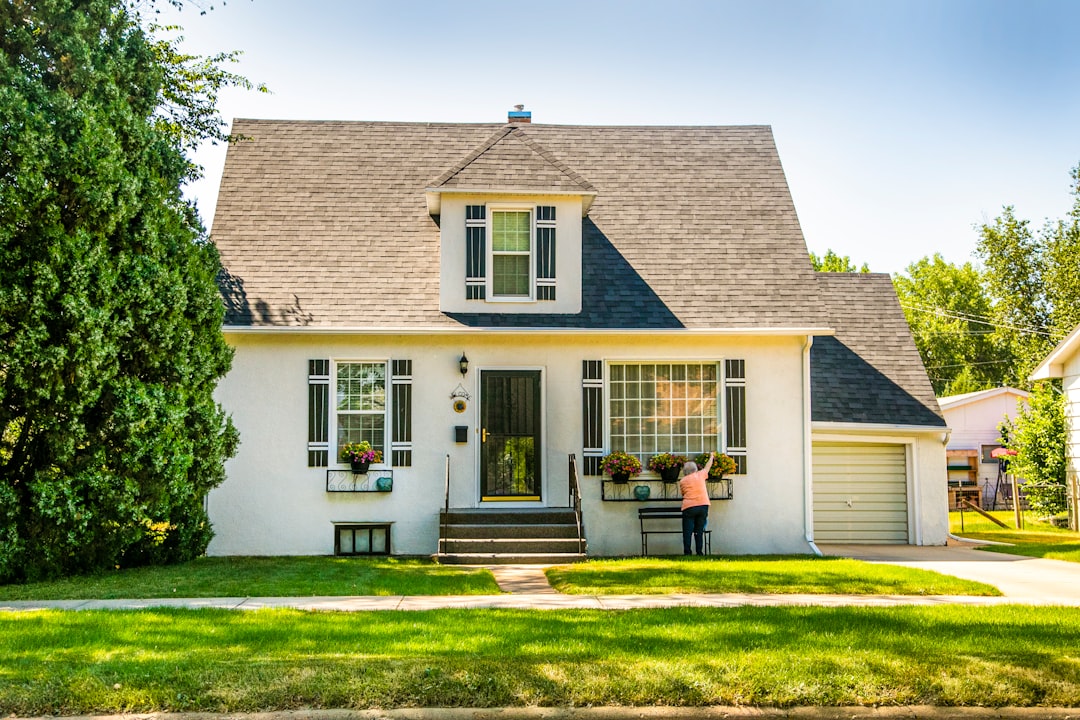
Curb appeal is your home’s handshake. It is the very first impression a buyer gets when they pull up to the curb or browse through online listings. In fact, well-maintained landscaping can increase a home’s perceived value by 5% to 12%.
If the exterior of your home looks neglected, buyers will automatically assume that the interior and major systems have been neglected too. Working with the best exterior home improvement companies for a curb appeal glow up can make a world of difference in attracting premium offers in Middlesex County.
High-ROI Exterior Upgrades
You do not need to spend a fortune to transform your home’s exterior. Focus on these high-ROI upgrades:
- Power Wash Everything: Wash away years of dirt and pollen from your siding, driveway, walkways, and decks.
- Paint the Front Door: A freshly painted front door in a bold, welcoming, yet tasteful color (like classic black, deep navy, or warm charcoal) creates an instant focal point.
- Fresh Mulch and Flowers: Clean out your flower beds, edge them neatly, add a thick layer of dark mulch, and plant seasonal flowers to add vibrant pops of color.
- Upgrade Hardware: Replace rusty mailboxes, dated house numbers, and worn-out entryway light fixtures with modern, cohesive finishes.
For homeowners looking to maximize their property’s square footage and functional appeal before listing, constructing high-quality garage additions or strategic home additions can significantly expand your buyer pool and drive up your final sale price.
Pre-Listing Inspections, Repairs, and Documentation
One of the smartest moves a seller can make is ordering a pre-listing home inspection. While buyers will almost certainly hire their own inspector, finding and fixing issues on your own timeline prevents buyers from using those issues as negotiating leverage later on.
As outlined in the NAR guide on preparing to sell, being proactive about your home’s condition builds trust and ensures a much smoother closing process.
Essential Repairs to Make Before Listing
You do not need to remodel your entire house before selling, but you must address any glaring functional defects. Buyers tend to mentally multiply the cost of minor repairs, assuming a dripping faucet or a cracked window pane will cost thousands to fix.
Make sure to tackle these essentials:
- Water Issues: Repair leaky faucets, resolve any plumbing drips, and patch any past water stains on ceilings.
- Drywall Patches: Fill nail holes, repair dents, and touch up paint on walls and baseboards.
- HVAC and Electrical: Replace air filters, ensure all light switches and outlets work, and replace any burned-out lightbulbs with warm LED bulbs.
If your kitchen is looking particularly dated, a minor kitchen remodeling project—such as replacing countertops, updating cabinet hardware, or installing a new backsplash—can yield an outstanding return on investment without the timeline of a major overhaul.
Gathering Your Documentation and Preparing for Showings
A well-prepared seller is a successful seller. Before your home goes live on the market, compile a comprehensive “buyer document package” in a neat binder. This package should include:
- Appliance warranties and instruction manuals
- Service records for your HVAC, roof, and water heater
- Receipts and permits for any major renovations or additions
- Historical utility bills showing average monthly costs
When showings begin, you need a repeatable routine to make your home look its best. Refer to the NAR seller checklist for showings to ensure your home is perfectly prepared every time. Additionally, keeping a complete home selling checklist handy will help you track your progress from the initial prep phases all the way to the closing table.
Frequently Asked Questions
How far in advance should I start preparing my house for sale?
Ideally, you should start preparing your home 6 to 12 weeks before listing. This gives you enough time to complete inspections, address repairs, declutter without feeling overwhelmed, and schedule professional photography. In highly active markets like Carlisle, staying ahead of local real estate trends is key to timing your listing perfectly for maximum buyer exposure. You can keep an eye on active listings and pricing trends using Carlisle real estate market data.
Can I list my house as-is without any preparation?
Yes, you can list your home as-is, but you should expect to sell to cash buyers or investors at a significant discount—often 12% to 18% below market value. Move-in-ready homes command a premium in towns like Chelmsford. To see how prepared homes compare to as-is properties in your immediate neighborhood, check out current Chelmsford housing trends.
Should I be home during showings and open houses?
No, you should never be home during showings or open houses. Buyers feel uncomfortable exploring the space, opening closets, and speaking candidly about the property when the seller is present. Leave the house at least 15 minutes before the showing starts, secure your pets, lock away your valuables, and let your licensed real estate agent do their job.
Conclusion
Preparing your home for sale in 2026 requires a strategic approach, but the payoff is well worth the effort. By decluttering your living spaces, deep cleaning every corner, boosting your curb appeal, and addressing key repairs early, you create an irresistible environment that buyers will fall in love with.
When you are ready to make high-impact updates, build a gorgeous addition, or prepare your property for the market, our team at MB Construction, LLC in Billerica, MA, is here to deliver quality-driven, time-sensitive craftsmanship. If you are ready to maximize your home’s value, contact us today to sell your house with confidence.