
Popular Types of Additions to Your Home
Additions to your home are one of the smartest ways to gain space, boost comfort, and increase property value — without the stress of moving.
Here’s a quick look at the most popular options and what they cost:
| Addition Type | Typical Cost | Avg. ROI |
|---|---|---|
| Bump-out | $5,000 – $30,000 | ~50% |
| Sunroom | $25,000 – $75,000 | ~50% |
| Bathroom | $15,000 – $75,000 | 60–85% |
| In-law suite | $90,000 – $120,000 | 70–100%+ |
| Second story | $100,000 – $300,000+ | 50–65% |
| Kitchen expansion | $15,000 – $125,000 | ~83–93% |
| Finished basement | $3,000 – $80,000 | ~70% |
Sound familiar? Your family has grown. The kitchen feels tight. Everyone’s fighting for the bathroom in the morning. You love your neighborhood — your kids’ schools, your neighbors, your commute — but the house just doesn’t fit your life anymore.
For many homeowners in suburban Massachusetts, moving isn’t the answer. A well-planned home addition is.
The average home addition costs $51,048, with most projects landing between $21,917 and $83,356 depending on size, type, and materials. That’s a wide range — but the right addition, done well, can solve real daily problems and add lasting value to your home.
The key word there is done well. A poorly planned addition can blow your budget, clash with your home’s existing style, or — worst case — create legal headaches if permits are skipped. But with the right approach, the results can be transformative.
This guide walks you through everything: the types of additions worth considering, what they realistically cost, how to budget and finance them, and how to choose a contractor you can actually trust.
When we talk about expanding your living space, there isn’t a one-size-fits-all solution. The “best” addition is the one that solves your specific bottleneck—whether that’s a lack of bedrooms or a kitchen that can’t handle a holiday dinner.
In Middlesex County, we see a wide variety of project types. Some homeowners opt for Home Additions that involve building entirely new rooms from the ground up, while others prefer room conversions. For instance, finishing a basement costs anywhere from $3,000 to $80,000 (averaging around $20,000), providing a massive amount of square footage without changing the home’s footprint.
Garage Additions are also incredibly popular in Massachusetts. A new, one-story, single-car attached garage typically costs between $25,000 and $45,000. If you already have a garage, converting it into a gym or office can be a cost-effective way to gain space, though we always remind clients that losing covered parking can sometimes impact resale value depending on the neighborhood.
Outdoor living has also become a priority. Decks are a mainstay of New England backyards, providing space for hosting and grilling. A typical new deck varies from $15,000 to $35,000, and while they don’t technically count as “livable square footage” because they are outdoors, they offer some of the best lifestyle returns for the investment.
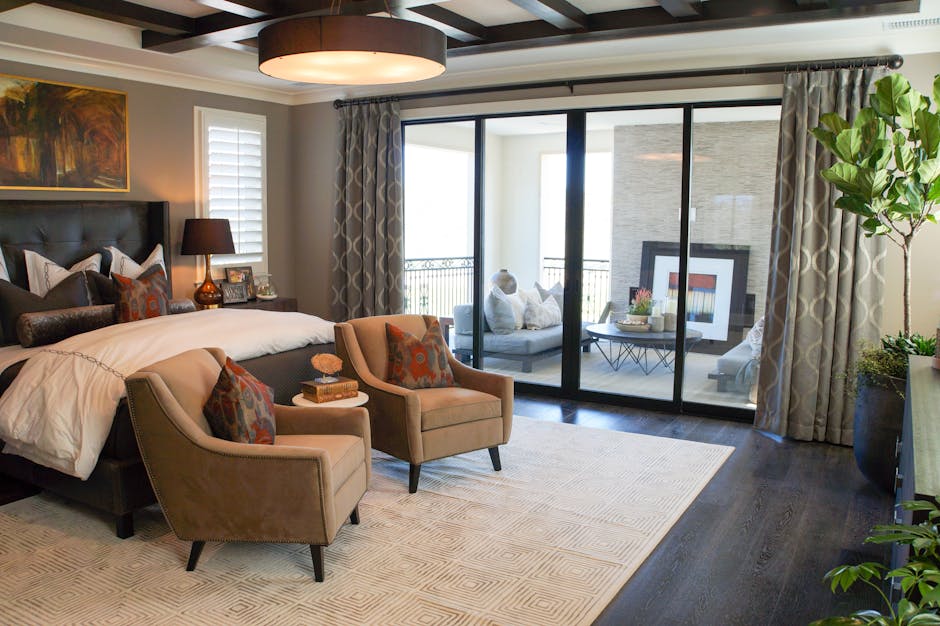
Room Additions and Bump-Outs: Small Additions to Your Home
If you don’t need a whole new wing but just want a few extra feet, a “bump-out” might be your best friend. These are micro-additions that extend a room’s footprint. Think of a kitchen expansion to fit a large island, or a bathroom expansion to accommodate a soaking tub.
One of the best things about bump-out ideas is that they are often 15-30% cheaper than conventional additions. This is because many utilize cantilever systems, where the new floor joists are supported by the existing structure rather than a full foundation. These foundation requirements for bump-outs make them much less invasive.
We often see these used for Family Room Additions in towns like North Reading, where a small 50-to-100 square foot extension can completely change the flow of the main floor.
Second-Story Additions: Vertical Additions to Your Home
When you can’t build “out” because of lot lines or a desire to keep your yard, you build “up.” 2nd and 3rd Floor Additions are major undertakings that can double your home’s square footage.
However, building up is more complex and expensive, typically costing $300 to $500 per square foot compared to $80 to $200 for building out. This is due to the need for significant structural reinforcement. We have to ensure your existing foundation and first-floor walls can handle the extra weight—sometimes requiring foundation underpinning or additional basement columns.
A very popular vertical option is The Dream Suite: Adding a Bedroom Over Your Garage. Since the garage structure is already there, you aren’t starting from scratch, but you will still face costs upwards of $200,000 for a high-end suite. These projects involve roof removal and complex stairwell placement to ensure the new level integrates seamlessly with the rest of the house.
Specialized Living Spaces: In-Law Suites and Sunrooms
Multi-generational living is on the rise in areas like Lexington and Billerica. In-Law Suite Additions (also known as Accessory Dwelling Units or ADUs) are fantastic for keeping family close while maintaining privacy. These suites typically cost between $90,000 and $120,000, but they often retain 100% or more of their value at resale. We even offer In-Law Suite Addition Floor Plans to help homeowners visualize these independent living spaces.
If you’re looking for a space to enjoy the beauty of Massachusetts seasons without the bugs, a sunroom is the way to go. A basic sunroom can cost from $25,000 to $75,000. If you want to use it year-round, turning it into a “four-seasons room” with full HVAC and insulation will likely double the cost.
Planning Your Project: From Budgeting to Design
Success in additions to your home starts months before the first hammer swings. We recommend a thorough needs assessment: What problem are you solving? Is it a lack of privacy, or do you just need a dedicated home office?
Design is where many homeowners get stuck. You want the addition to look like it was always part of the original house, not a “tacked-on” box. This requires matching architectural styles, rooflines, siding, and trim. Sometimes, using contrasting but complementary materials—like a stone veneer or a different roof material—can actually make the addition look more organic.
When vetting contractors, check the Better Business Bureau and ask for references from projects similar to yours. A contractor who is great at kitchens might not be the best choice for a second-story structural addition. Take a look at Our Projects to see the level of detail required for a seamless build.
We also encourage homeowners to consider sustainability. As “green homes” become the standard, opting for energy-efficient windows, sustainable insulation, and “green” building materials can reduce your long-term operating costs and improve the health of your indoor environment.
Navigating Costs, Permits, and Financing
Let’s talk numbers. According to the 2025 Remodeling Impact Report from the National Association of Realtors, 54% of homeowners used a home equity loan or HELOC to fund their projects.
Lenders typically look for a credit score of at least 620 and will cap borrowing at a CLTV (Combined Loan-to-Value) ratio of 80–85%.
Beyond the construction itself, you must budget for:
- Permits: These can range from $150 to $7,500 (averaging $1,300).
- Architect Fees: Usually 5% to 20% of the project budget.
- Site Prep: Excavation and utility work can add $1,500 to $5,000.
- The “Oops” Fund: We always insist on a 15-20% contingency budget. Whether it’s finding outdated wiring behind a wall or a sudden increase in material costs, you’ll be glad you have it.
Zoning laws are another critical hurdle. Every town from Andover to Wilmington has different setbacks and height restrictions. We handle the heavy lifting of ensuring your project complies with all local building codes and safety inspections. You can see examples of finished, fully-permitted work in our Gallery.
Maximizing ROI and Property Value
While you should build for your own comfort first, it’s nice to know that additions to your home generally recoup 62% of their expenses in resale value.
Some additions perform better than others. Kitchen remodels can recoup nearly 93% of their cost, while a new Master Bedroom Addition in a town like Chelmsford adds significant market desirability.
One trap to avoid is “hyper-improvement.” This happens when you make your home significantly larger or more luxurious than anything else in the neighborhood. If the average home in your Reading neighborhood is 2,500 square feet and you build an addition that brings yours to 5,000, you may struggle to find a buyer willing to pay the premium. Always look for a “neighborhood fit” to ensure your investment is sound.
Frequently Asked Questions about Home Additions
What is the cheapest type of home addition?
If you are looking for the most bang for your buck, bump-outs are typically the least expensive because they often don’t require full foundations or roof changes. Following that, finishing existing space is highly cost-effective. Converting an attic into a bedroom (provided you have at least 7-foot ceilings) or finishing a basement can add massive value for a fraction of the cost of a new build. Check out an attic conversion guide to see if your space qualifies.
Is it cheaper to build up or build out?
Generally, it is cheaper to build “out” (ground floor addition). Build-out costs typically range from $80 to $200 per square foot. Building “up” involves more complexity, including structural engineering to support the weight and the logistics of removing the roof, which pushes costs to $300-$500 per square foot. However, building up preserves your yard space, which can be a huge factor on smaller lots in Greater Boston.
Do I need a permit for a small room addition?
Yes. Any time you are changing the footprint of your home, modifying the structure, or adding plumbing/electrical, you need a permit. There are very few exceptions, such as small decks without a permit (usually under 200 sq. ft. and low to the ground), but for a room addition, skipping the permit is a massive risk. Unpermitted work can lead to fines, force you to tear down the work, and make it impossible to sell your home later.
Conclusion
At MB Construction, LLC, we know that your home is your most significant investment. Whether you’re in Billerica, MA, or anywhere across Middlesex County, our mission is to provide quality-driven, time-sensitive additions to your home.
We use premium materials and expert craftsmen to ensure that every project—from a simple bump-out to a full second-story expansion—is built to last. If you’re ready to stop feeling cramped and start enjoying your home again, we’re here to help.
Ready to explore the possibilities? Learn more about our process for Home Additions and let’s build something great together.
