
What Does a House Addition Cost in 2026?
House addition cost typically falls between $21,910 and $83,349 for most homeowners, based on average internet data — but the full range runs much wider depending on what you’re building.
Quick cost overview (based on internet averages):
| Addition Type | Typical Cost Range |
|---|---|
| Bump-out / small addition | $4,000 – $30,000 |
| Single room (bedroom, etc.) | $20,900 – $72,600 |
| Bathroom addition | $5,000 – $90,000 |
| Kitchen extension | $20,000 – $90,000+ |
| Second-story addition | $80,000 – $600,000+ |
| In-law suite / ADU | $50,000 – $350,000+ |
- Cost per square foot ranges from around $80 for a basic ground-level room to $500+ for a full second story.
- Labor typically makes up 40%–60% of the total budget.
- In higher-cost markets like Greater Boston and Middlesex County, MA, expect prices at the upper end of national ranges.
If you’re a homeowner in towns like Billerica, Lexington, or Chelmsford, MA, planning an addition means budgeting carefully — and knowing what drives costs before you talk to a contractor.
This guide breaks down everything: cost by room type, what drives prices up, how to get the best ROI, and what to expect from the process here in Massachusetts.
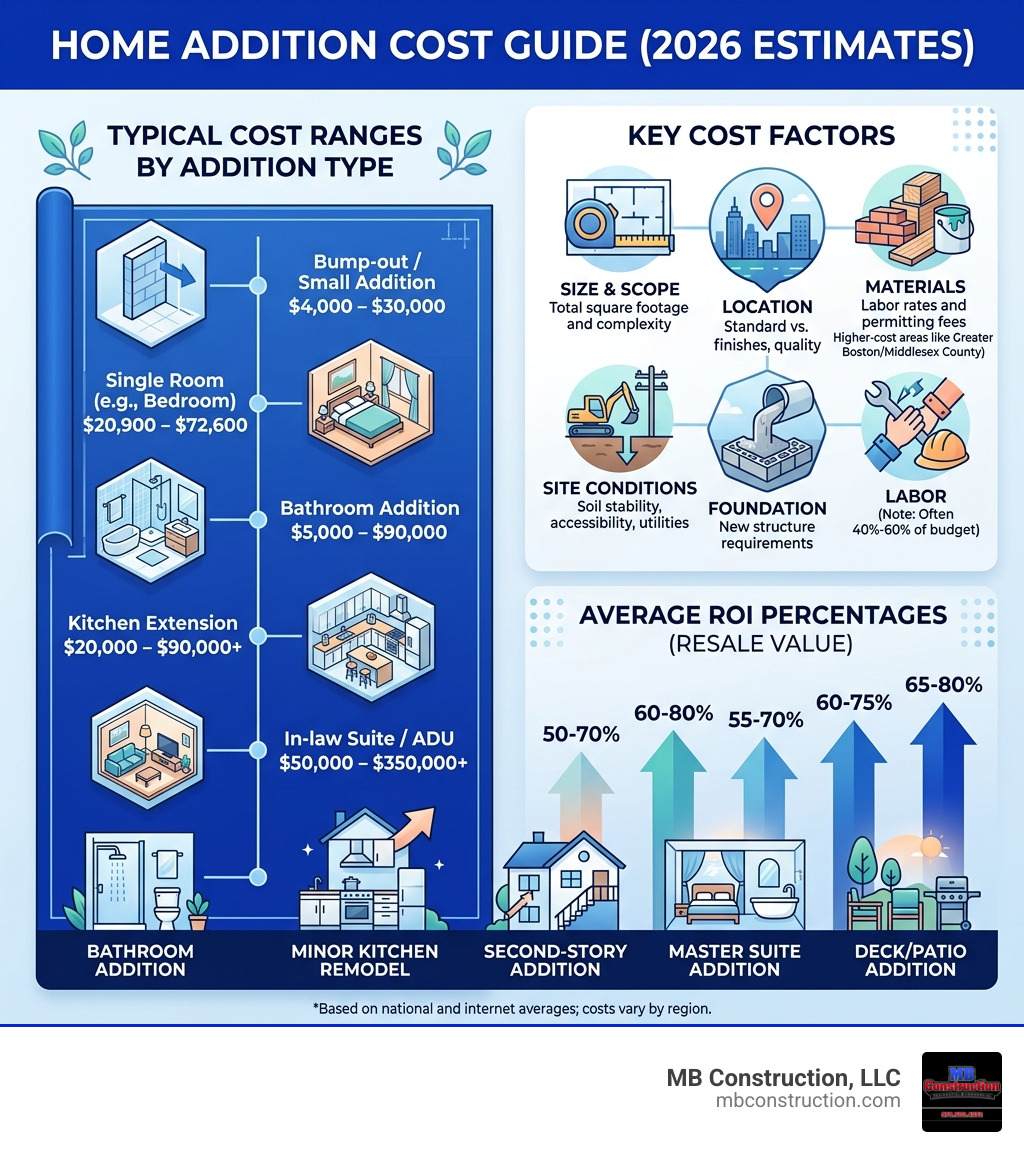
Average House Addition Cost by Type and Square Footage
When we talk about the house addition cost, the first thing we look at is the scope. Are you nudging a wall out three feet to make room for a breakfast nook, or are you lifting the roof to add three bedrooms and two baths? The scale of the project dictates the financial commitment.
Based on average internet data, a standard home addition project in 2026 typically lands in the $21,910 to $83,349 range. However, for high-end, complex projects in the Greater Boston area—especially those involving structural changes or luxury finishes—it is not uncommon to see total investments ranging from $51,000 to over $510,000. This wide variance exists because every home in Middlesex County has a unique footprint and different structural requirements.
For more localized insights, you can explore our guide on Breaking Down the Average Cost of Home Addition in Massachusetts.
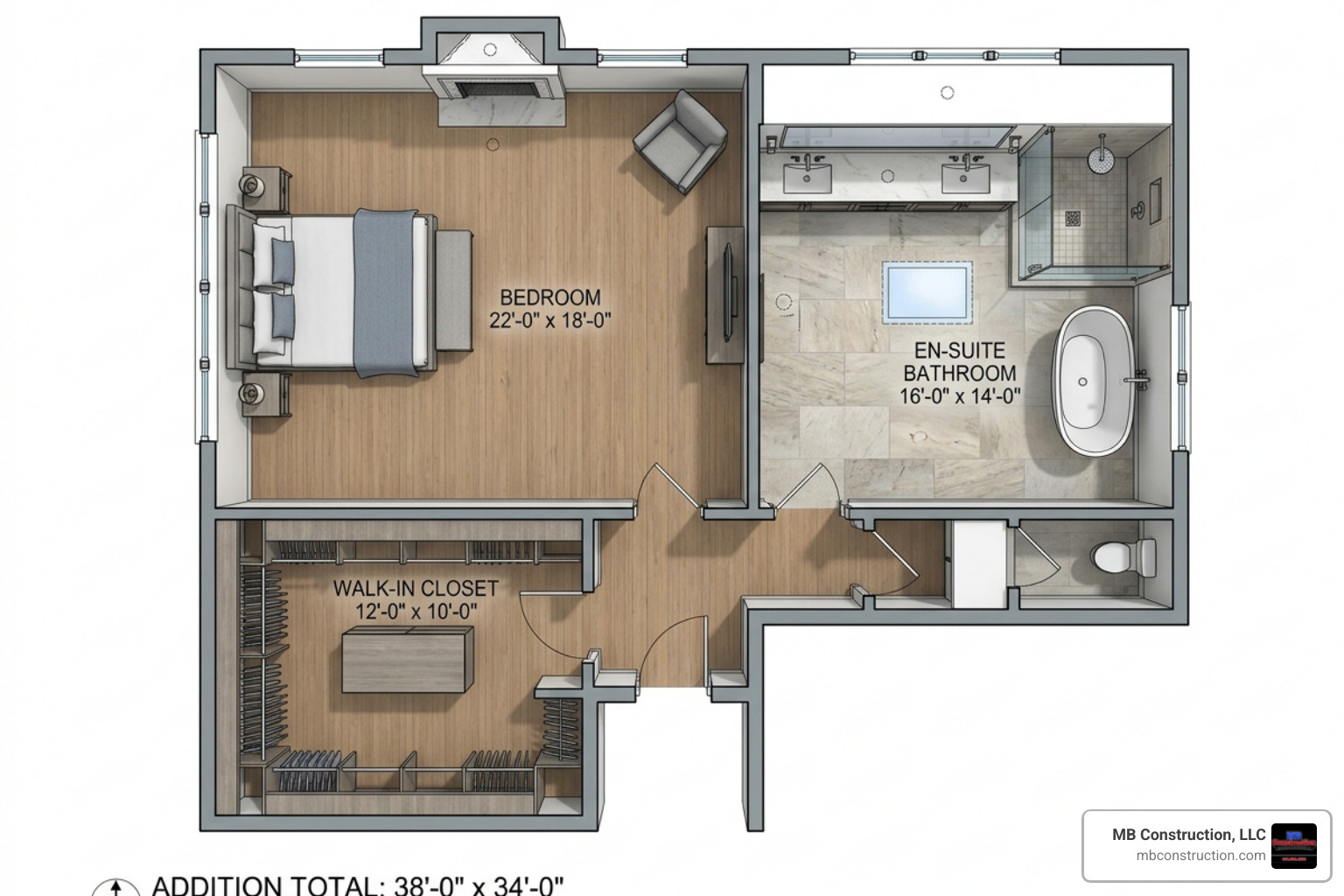
National and Regional House Addition Cost Per Square Foot
The “per square foot” metric is the most common way contractors and homeowners estimate preliminary budgets. Nationally, the average house addition cost per square foot ranges from $125 to $350. However, in high-demand regions like Eastern Massachusetts—including towns such as Andover, North Reading, and Reading—specialized labor and premium materials can push these rates from $350 to as high as $3,500+ per square foot for ultra-luxury or technically difficult builds.
While some national data points mention lower rates in places like Gem County, Idaho, our local market in the Greater Boston area faces different challenges. Our colder climate requires deeper footings to get below the frost line, and our local building codes are among the strictest in the country. This naturally places our regional costs at the higher end of the national spectrum. You can find more broad data on these variations at How Much Does a Home Addition Cost in 2025?.
House Addition Cost for Specific Room Types
Not all square footage is created equal. A “dry” room, like a bedroom or a family room, is significantly more affordable than a “wet” room, like a kitchen or bathroom, which requires extensive plumbing and electrical work.
- Kitchen Extensions: Often the most expensive per square foot due to cabinetry, appliances, and plumbing. Internet data suggests these range from $20,000 to $90,000+, but a full-scale gourmet expansion in Carlisle or Lexington can easily exceed $200,000.
- Bathroom Additions: Adding a new bathroom averages around $35,000 according to internet data, though luxury primary baths with walk-in showers and soaking tubs can reach $90,000 or more.
- In-Law Suites: These are essentially small apartments. We’ve seen a surge in these projects in Billerica and Tewksbury. For a detailed look at these specific costs, see Budgeting for the Best: What an In-Law Addition Really Costs.
- Garage Additions: Whether you need a simple two-car structure or a garage with living space above, costs vary wildly. Check out How Much Does a New Garage Addition Really Cost? for a deeper dive.
Primary Factors Influencing Your Total Investment
Understanding the house addition cost requires looking behind the drywall. Several “invisible” factors can swing your budget by tens of thousands of dollars.
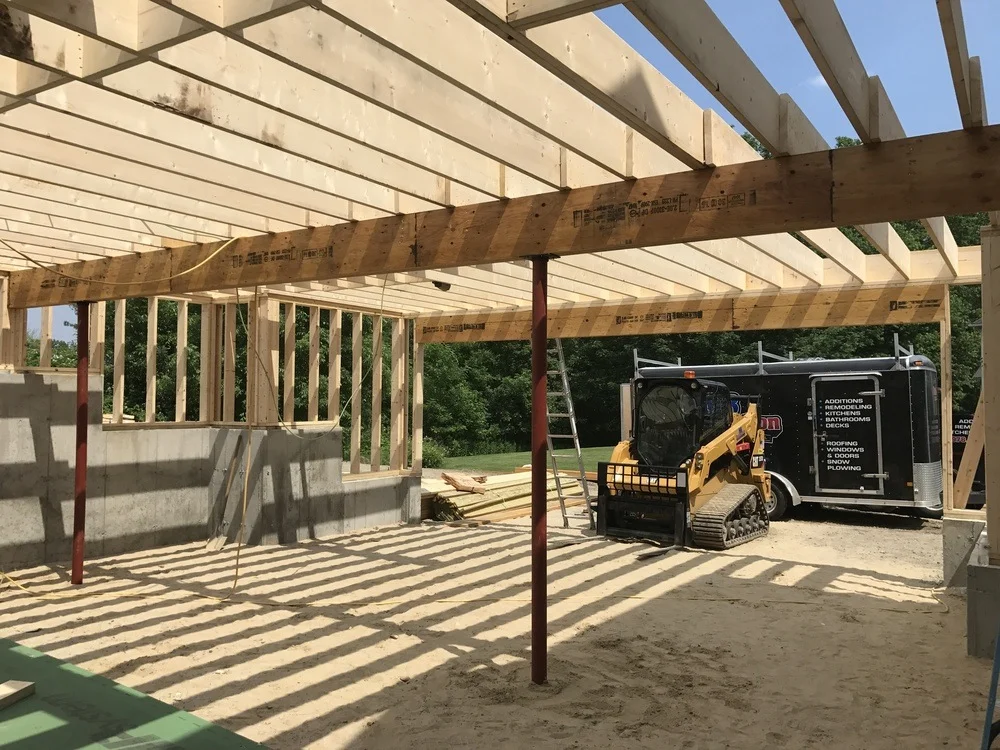
Labor and Material Breakdown
In 2026, labor remains a dominant force in your budget. On average, labor accounts for 40% to 60% of the total house addition cost. This includes the expert craftsmen we employ—carpenters, electricians, plumbers, and painters—who ensure the work is done to a professional standard.
Materials generally account for the other 40% to 50%. In the Middlesex County market, we prioritize premium materials that can withstand the New England freeze-thaw cycle. From high-efficiency windows to rot-resistant siding, the quality of what goes into your walls matters as much as the paint on top of them. Additionally, professional fees are a factor:
- Architect Fees: Typically 5% to 20% of the project cost.
- General Contractor Fees: Generally 10% to 20% of the total project.
For more on the specifics of our process, visit our Home Additions service page.
Structural Complexity and Site Preparation
One of the biggest decisions you’ll make is whether to “build out” or “build up.”
- Building Out: This involves expanding the footprint of your home. It requires excavation, a new foundation, and yard space. Internet data suggests this costs $80–$210 per square foot.
- Building Up: Adding a second story or a room above a garage avoids losing yard space but is often more complex. You have to ensure the existing foundation can handle the extra weight. This often requires structural reinforcement, which can push costs to $300–$500+ per square foot.
Site preparation is another variable. Average internet data places site prep at $1,500 to $5,000, but if we encounter ledge (common in places like Carlisle) or need extensive drainage work, that number can climb. If you’re considering adding space above your existing garage, read How Much to Build Up Your Garage for Extra Living Space?.
Maximizing Return on Investment and Financing Options
We often tell our clients in Burlington and Wilmington that an addition isn’t just an expense; it’s an investment. On average, a well-executed home addition provides an ROI of 20% to 50%, though some projects—like a minor kitchen expansion or a well-placed bedroom—can recoup up to 80% of their cost in home value.
Beyond the resale value, there is the “lifestyle ROI.” If an addition allows you to stay in a neighborhood you love rather than moving, you save on the massive costs of selling, buying, and moving (which can easily total 10% of a home’s value).
To fund these projects, many homeowners in Greater Boston look toward:
- HELOC (Home Equity Line of Credit): Flexible and often features lower interest rates.
- Home Equity Loans: A lump sum with a fixed interest rate.
- Personal/Home Improvement Loans: Good for smaller projects where you don’t want to use your home as collateral.
- Cash-Out Refinance: Replacing your current mortgage with a new, larger one.
If you are weighing the pros and cons of an addition versus a completely new build, our guide on Everything You Need to Know About New Home Construction offers a great comparison.
Frequently Asked Questions About Home Additions
How long does a typical home addition project take?
Based on our experience in Middlesex County, a typical project takes between 4 and 12 months. This timeline is split into two phases:
- Pre-Construction (2–4 months): This includes design, architectural drawings, and the permitting process. In towns like Lexington or Bedford, the permitting phase can be thorough and time-consuming.
- Construction (3–8 months): Once the foundation is poured, the “shell” usually goes up quickly. The finishing work—plumbing, electrical, flooring, and cabinetry—takes the most time.
What are the zoning requirements in Middlesex County?
Zoning is the “make or break” factor for many additions. Every town, from Billerica to North Andover, has its own set of rules regarding:
- Setbacks: How close you can build to your property line.
- Lot Coverage: How much of your land can be covered by structures.
- Height Restrictions: Especially important for second-story additions.
- Easements: Areas where you cannot build due to utility lines or public access.
We always recommend a professional property survey before you get too deep into the design phase.
How can I save money on a home addition without sacrificing quality?
You don’t have to cut corners to stay on budget. Here are a few expert tips:
- Stick to Standard Sizes: Custom windows and doors look great but cost significantly more than standard sizes.
- Simple Footprints: A rectangular addition is much cheaper to frame and roof than one with complex angles or curves.
- Avoid Moving “Wet” Fixtures: If you’re expanding a kitchen, try to keep the sink and dishwasher near their original plumbing lines.
- Build in the Off-Season: While New England winters are tough, some contractors offer better rates during the slower months.
For a comprehensive look at planning your project efficiently, see our Ultimate New Home Construction Guide.
Conclusion
Calculating the house addition cost is the first step toward transforming your home into the space you’ve always dreamed of. Whether you are in Andover, Billerica, or Greater Boston, the key is to balance your needs with a realistic budget and a team that understands the local landscape.
At MB Construction, LLC, we pride ourselves on being quality-driven and time-sensitive. We use premium materials and expert craftsmen to ensure that your new space doesn’t just look good—it stands the test of time. Based in Billerica, MA, we are your local experts for everything from minor bump-outs to full-scale second-story expansions.
Ready to start planning? Find more info about our home addition services and let’s build something great together.
