
Why Homeowners in Greater Boston Are Choosing to Build Up Instead of Move Out
If you’re exploring 2nd floor addition ideas, here’s a quick overview of the most popular options:
Most Popular 2nd Floor Addition Ideas:
| Type | Best For | Typical Cost (internet averages) | Disruption Level |
|---|---|---|---|
| Full second story | Ranch, bungalow homes | $150,000 – $600,000+ | High |
| Partial second story | Over garage or porch | $80,000 – $200,000 | Medium |
| Pop-top / dormer | Tight height limits | $80,000 – $200,000 | Medium |
| Modular addition | Faster timelines | 10–20% less than traditional | Low–Medium |
Your family is growing. Your house isn’t.
For many homeowners in Andover, Lexington, Chelmsford, and across Greater Boston, the choice feels like this: move to a bigger home, or make your current one work.
Moving means a new mortgage, new neighborhood, and all the stress that comes with it. But there’s a third option most families overlook: build up.
A second floor addition lets you nearly double your living space without touching your yard, changing your address, or leaving the community you’ve built your life in. A 1,000 sq ft second story can transform a cramped ranch into a spacious colonial — adding bedrooms, bathrooms, and privacy that a growing family actually needs.
It’s not a small project. Costs typically range from $100,000 to $600,000+ depending on scope, and the process takes 6 to 12 months from design to move-in. But for homeowners who love their neighborhood and want long-term space, it’s often the smartest investment they can make.
This guide covers the most practical and creative second floor addition ideas — broken down by home type, budget, design, and layout — so you can decide what’s right for your home.
Best 2nd Floor Addition Ideas for Different Home Types
When we look at 2nd floor addition ideas, we first consider the existing “bones” of your house. Not every home is a candidate for every type of vertical expansion. Whether you are living in a mid-century ranch in Billerica or a split-level in Reading, the goal is to create a seamless transition between the old and the new.
For more inspiration on how we can expand your footprint, check out our Home Additions page.
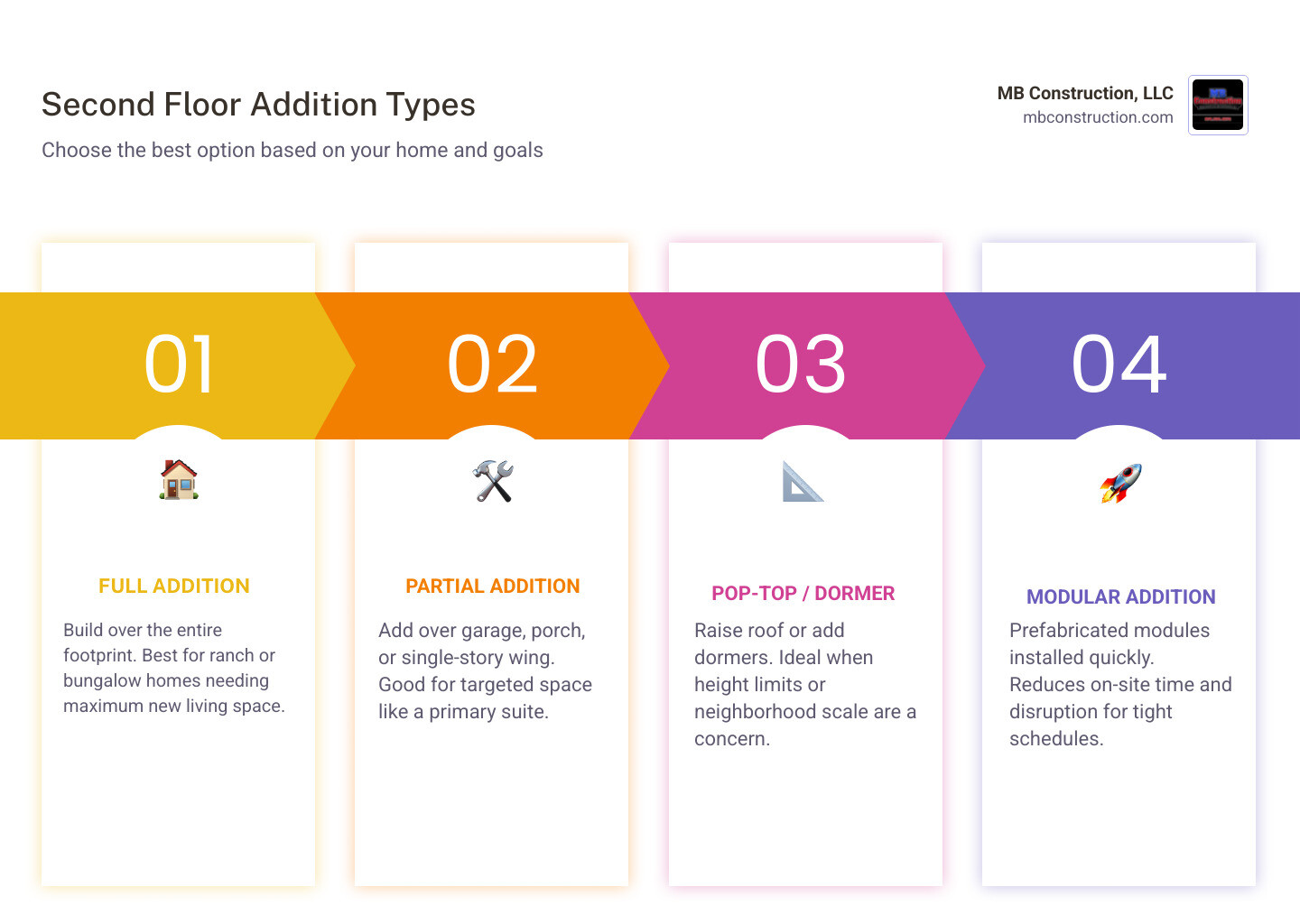
Full Second-Story Addition Ideas for Ranch and Bungalow Homes
The most dramatic transformation occurs when we take a single-story ranch and add a full second floor. This effectively doubles your square footage. By moving all bedrooms to the new upper level, we can open up the first floor for a massive chef’s kitchen, a formal dining room, and an expansive living area. This “ranch-to-colonial” conversion is highly popular in Middlesex County because it offers the privacy of a dedicated sleeping level while significantly boosting resale value.
Partial Second-Story Addition Ideas for Garages, Porches, and Single-Story Wings
If you don’t need to double your home’s size, a partial addition might be the perfect fit. Common 2nd floor addition ideas include building a Dream Suite over your garage or a Master Suite over a single-story wing. This approach is often less disruptive because we aren’t removing the entire roof of the main house. It’s an ideal way to add a guest wing, a quiet home office, or a dedicated “kids’ zone” without the six-figure price tag of a full-scale build.
Pop-Top and Dormer Ideas for Homes With Tight Height Limits
In some Greater Boston neighborhoods, strict height limits or zoning rules prevent us from adding a full story. In these cases, we look at “pop-top” additions or dormers. A shed dormer can turn a cramped attic into a functional bedroom with full-height ceilings. By strategically raising sections of the roofline, we can gain the necessary headroom for a bathroom or office while maintaining the neighborhood’s architectural scale.
Modular Second-Story Ideas for Faster Installation
For homeowners who want to minimize construction time, modular additions are an intriguing path. These modules are built in a factory setting and craned onto your existing home. While there are design limitations and site access requirements for the crane, the on-site construction time is significantly shorter—often reducing the “roof-off” period to just a few days.
Cost, Timeline, and Disruption: What Homeowners Should Expect
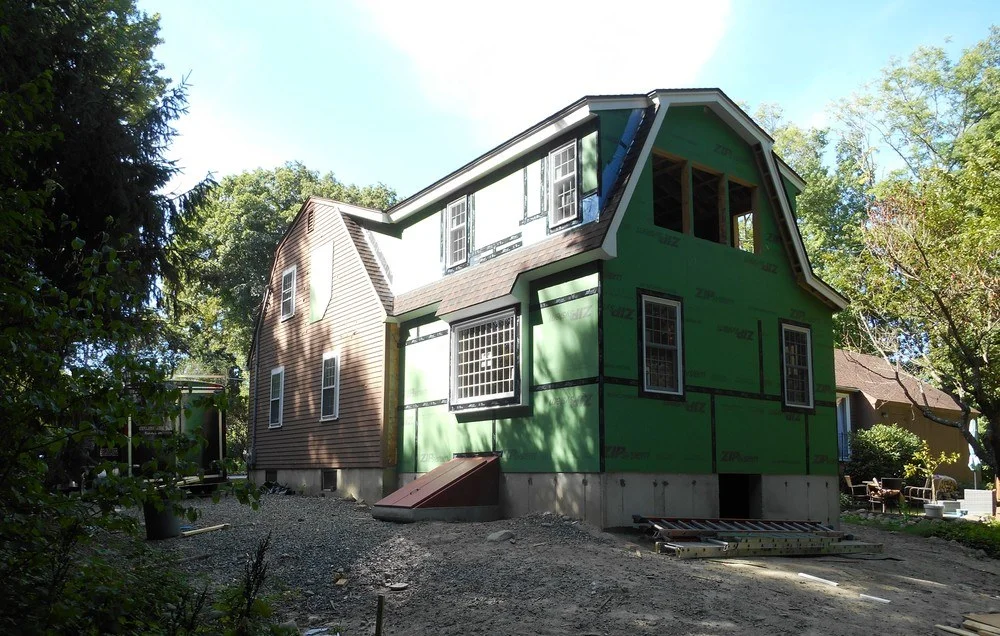
A second story is arguably the most complex renovation you can undertake. Based on internet data, here is what you should expect regarding the investment and the calendar.
Average Cost Ranges for a Second Floor Addition in 2026
Pricing for 2nd floor addition ideas varies wildly based on finishes and structural needs. Based on average internet data for 2026:
- Full Second Story (1,000+ sq. ft.): $150,000 to $600,000+. High-end luxury finishes in areas like Lexington can push these numbers even higher.
- Partial Second Story: $80,000 to $200,000.
- Cost per Square Foot: Typically ranges from $100 to $400, though structural reinforcements can easily push this to $500+ per square foot.
For a deeper dive into budgeting, see our House Addition Cost: Complete Guide and our specific look at Breaking Down the Average Cost of Home Addition in Massachusetts.
What Drives the Final Price Up or Down
Several “hidden” factors influence the final bill:
- Foundation Reinforcement: If your existing footings can’t handle the weight, we may need to underpin the foundation, costing between $10,000 and $30,000.
- Staircase Installation: You lose about 80–100 square feet on the first floor to accommodate the new stairs.
- Mechanical Upgrades: Your current HVAC and electrical panel may not be rated for the additional load.
- Roof Rebuild: A full addition requires a brand-new roof structure.
Typical Planning, Permitting, and Construction Timeline
In Massachusetts, the timeline generally follows this path:
- Design & Engineering: 2–3 months.
- Permitting: 6–12+ weeks (depending on the town’s building department).
- Construction: 3–6 months for framing and exterior.
- Finishing: 1–2 months for interior work. Expect a total window of 6 to 12 months from the day you sign the contract to the day you move in.
Can You Live in the House During Construction?
We usually recommend that families move out for at least 4 to 8 weeks during the demolition and framing phases. When the roof comes off, the house is open to the elements. Even with heavy-duty tarping, the dust, noise, and utility interruptions (plumbing and HVAC) make daily life extremely difficult.
Structural and Code Issues to Resolve Before Choosing 2nd Floor Addition Ideas
Before we pick out paint colors, we have to talk about physics. You can read more about the technical side of How to Add a Second Floor to Your House or specific Massachusetts-based architectural considerations.
Foundation, Framing, and Engineering Checks
A structural engineer must verify that your home’s foundation and first-floor walls can support a second level. Many older homes in towns like Carlisle or Bedford were built with foundations only meant to support a single story. We check soil conditions, wall alignment, and whether we need to add steel beams or basement columns to create a continuous “load path” from the new roof down to the earth.
Zoning, Height Restrictions, and Permit Research to Start Early
Zoning is the biggest hurdle. Every town has “setback” rules (how close you can build to the property line) and “lot coverage” limits. If your home is already close to the limit, adding a second story might require a variance from the planning board. We also have to account for height limits; some historic districts have very specific rules about how high a roofline can sit.
Utility and Systems Planning for the New Floor
We always look for ways to “stack” plumbing. Placing a new bathroom directly above an existing one on the first floor can save thousands in plumbing costs. We also evaluate your HVAC capacity—often, adding a dedicated mini-split system for the new floor is more efficient than trying to extend existing ductwork.
Design Ideas That Make the New Story Look Original to the House
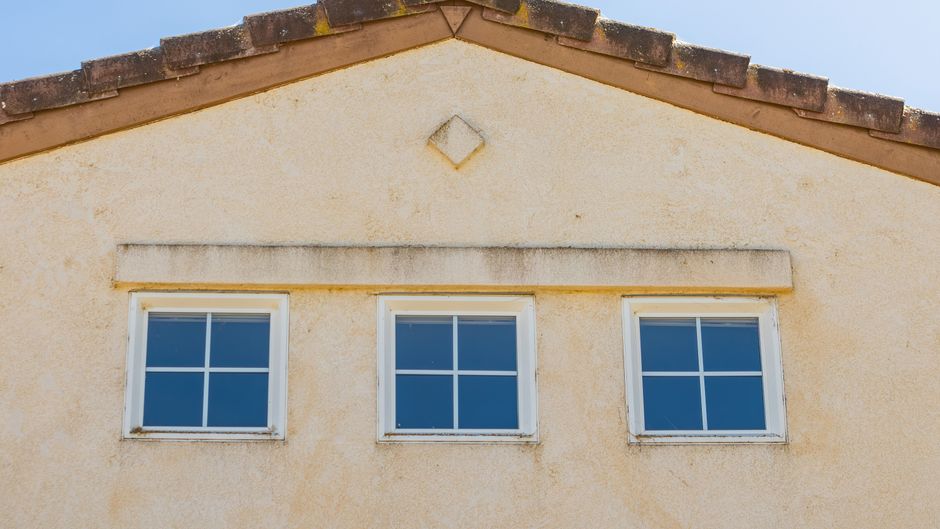
The biggest fear homeowners have is that the addition will look like a “shoebox” stuck on top of their home. Successful 2nd floor addition ideas prioritize architectural harmony. You can see examples of how we handle these transitions in Our Projects and our Gallery.
Matching Architectural Style, Roofline, and Exterior Materials
In New England, we focus on matching the pitch of the roof and using consistent materials like fiber cement siding or traditional shingles. If you have a 1950s ranch, we might use gables and dormers to break up the mass of the second floor so it doesn’t overwhelm the original structure.
Common Design Mistakes to Avoid
- Misaligned Windows: Second-floor windows should generally align vertically with the ones below them.
- Awkward Staircase Placement: Don’t force a staircase into the middle of a kitchen or living room.
- Poor Proportions: A second story that is exactly the same height as the first can look “top-heavy.” Using different siding textures or roof breaks can help.
Before-and-After Inspiration That Helps Homeowners Visualize the Result
Visualizing the change is key. We often recommend browsing 52 Best second floor addition ideas to see how others have handled ranch-to-colonial transformations. You can also follow Our Blog for local case studies.
Floor Plan Ideas for Better Layout, Stairs, and Traffic Flow
A successful addition isn’t just about adding rooms; it’s about improving the “flow” of your entire home. For those with specific home styles, we recommend reading about The Highs and Lows of Adding a Second Story to Your Split Level Home or Expanding Your Horizons with a Split Level Home Addition.
Best Stair Placement Ideas for a Successful Second Story
The staircase is the most important layout decision. The best place for a new set of stairs is usually in an existing hallway or foyer, where it doesn’t eat into your primary living spaces. We ensure the design meets modern code widths while protecting the headroom of the rooms below.
Room Layout Ideas That Simplify Construction and Daily Living
When planning the upper level, consider these popular room combinations:
- The Primary Retreat: A large bedroom, walk-in closet, and en-suite bath.
- The Kids’ Wing: Two bedrooms sharing a “Jack-and-Jill” bathroom.
- The Flex Space: An open loft that can serve as a playroom now and a home office later.
- Upstairs Laundry: A highly desired feature that saves you from lugging baskets up and down the new stairs.
Why Building Up May Be Better Than Moving or Adding Out
Building up preserves your backyard—a major plus if you have children or pets. It also offers better privacy and potentially improved views of the neighborhood. While a side addition requires a new foundation (which is expensive), building up utilizes your existing footprint, making it a highly efficient way to gain space on a small lot.
Frequently Asked Questions About 2nd Floor Addition Ideas
Is it cheaper to add a second story or build a two-story side addition?
Adding a second story is often more cost-effective per square foot because you aren’t paying for a brand-new foundation. However, the structural reinforcement required for the existing walls can sometimes close that price gap. If you have a large lot, a side addition might be less disruptive; if your lot is small, building up is the only way to go.
What is the least disruptive way to add a second floor?
A partial addition (such as over a garage) or a modular addition is typically the least disruptive. These methods allow you to keep a large portion of your home’s roof intact, meaning you might not have to move out for as long—or at all.
How much value does a second-story addition add?
Nationally, second-story additions return about 65% to 75% of their cost at resale. In high-demand markets like Greater Boston, where land is scarce, that ROI can be even higher. Beyond the money, the “Joy Score” for these projects is often a 10/10 because they allow families to stay in the homes they love.
Conclusion
Adding a second story is a journey that begins with a single question: Is it feasible? Before you fall in love with a floor plan, you need a partner who understands the structural and zoning realities of Eastern Massachusetts.
At MB Construction, LLC, we specialize in high-quality, time-sensitive home additions. Whether you’re in Wilmington, North Andover, or Burlington, our team of expert craftsmen is ready to help you “grow up” without moving out.
Ready to see what’s possible for your home? Explore our Home Additions services and let’s start planning your vertical expansion today.
